
Gold at all time highs. Is it right to invest now?
Introduction
Gold at all time highs. Is it right to invest now? Often called “analogue bitcoin,” is making headlines as it climbs to unprecedented levels above $4,000 an ounce (now $5,000 in January 2026). For investors, this milestone isn’t just a market curiosity. It’s a signal to reassess strategies around wealth preservation, currency risk, and inflation. This post distills the latest research, expert commentary, and real-world case studies on gold, equipping Melbourne readers with clear insights to make informed decisions.
Gold’s Historic Rise: What’s Driving It?
Recent price surge in gold stems from more than just dollar weakness; it reflects a flight out of major G10 currencies as fears over inflation and currency debasement grow. Japan’s economic policy, marked by aggressive quantitative easing, has set precedent other markets now follow, with fiscal dominance and currency easing pushing gold in yen terms past 5,500.
Key drivers:
- Central banks are escalating their buying, aiming to diversify reserves after geopolitical shocks such as the freezing of Russian assets.
- ETF flows, spurred by expectations of Fed rate cuts, add demand pressure.
- Investors’ concerns about government debt and deficits globally further encourage investment, making gold a perceived safe haven.
Expert Insights and Price Forecasts
Notable financial institutions have weighed in with bullish outlooks:
- Goldman Sachs recently raised its December 2026 gold price target from $4,300 to $4,900/oz, citing sticky inflows from Western ETFs and central bank purchases as persistent price supports.
- UBS predicts coordinated central bank buying—averaging up to 80-70 tonnes in 2025–2026—could add as much as 19 percentage points to price growth, with Western ETFs also expected to rise.
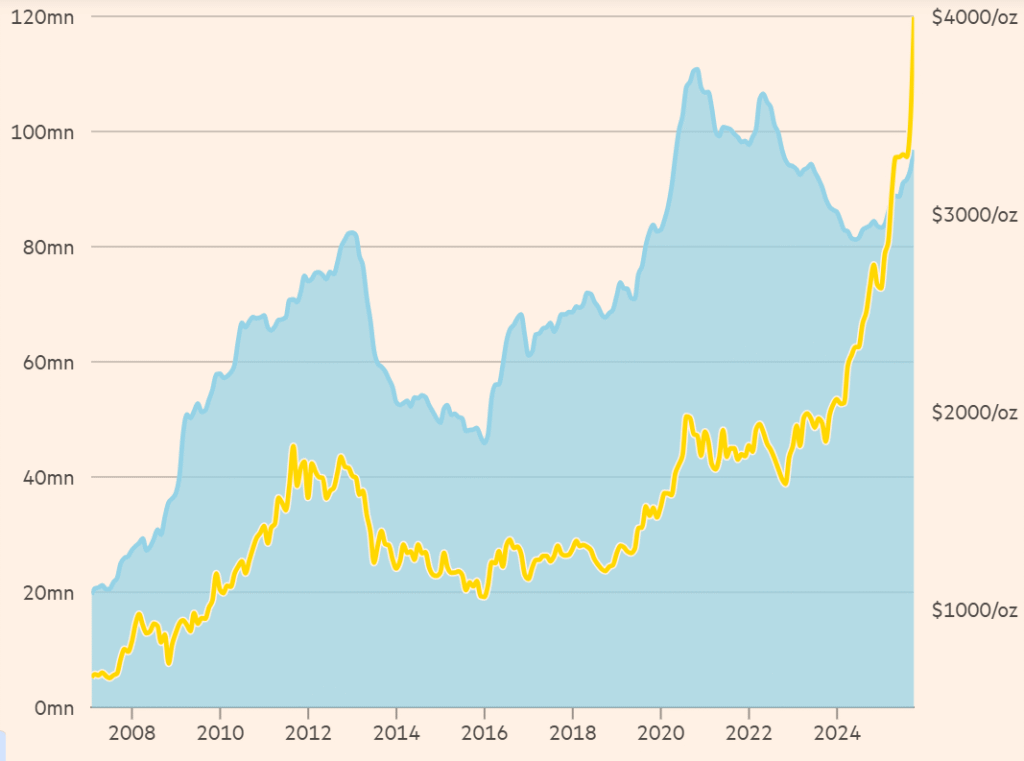
These forecasts hinge on ongoing fiscal stimulus policies and the lasting appeal of gold for reserve diversification and inflation protection.
Central Bank Strategies: Diversification and Dominance
EM central banks continue to diversify their reserves into gold in response to shifting geopolitical risks. Since the freezing of Russian reserves in 2022, reserve managers have viewed gold as a crucial asset for financial security.
- Western central banks and ETFs hold substantial tonnage, contributing to gold’s upward momentum.
- The “rotation trade,” seen earlier this year, prompted diversification away from US assets towards gold and other alternatives.
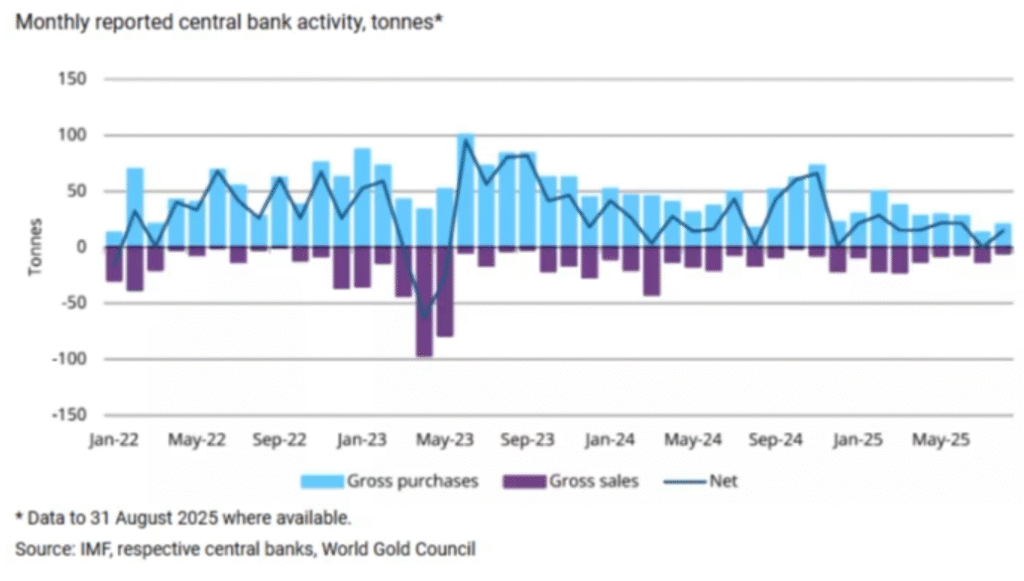
Gold’s function as both a physical and financial asset leader may soon be rivaled by strategic Bitcoin allocations, as research now suggests both assets could be present on central bank balance sheets by 2030.
Silver: The Undervalued Relative
Despite gold’s premium, silver is increasingly viewed as undervalued relative to its historical norm. Industrial demand—especially from electronics and photovoltaic applications—continues to drive interest. ETF holdings in silver are expected to climb back to previous highs, with the gold-silver ratio likely returning to below 76x as investment strength increases.
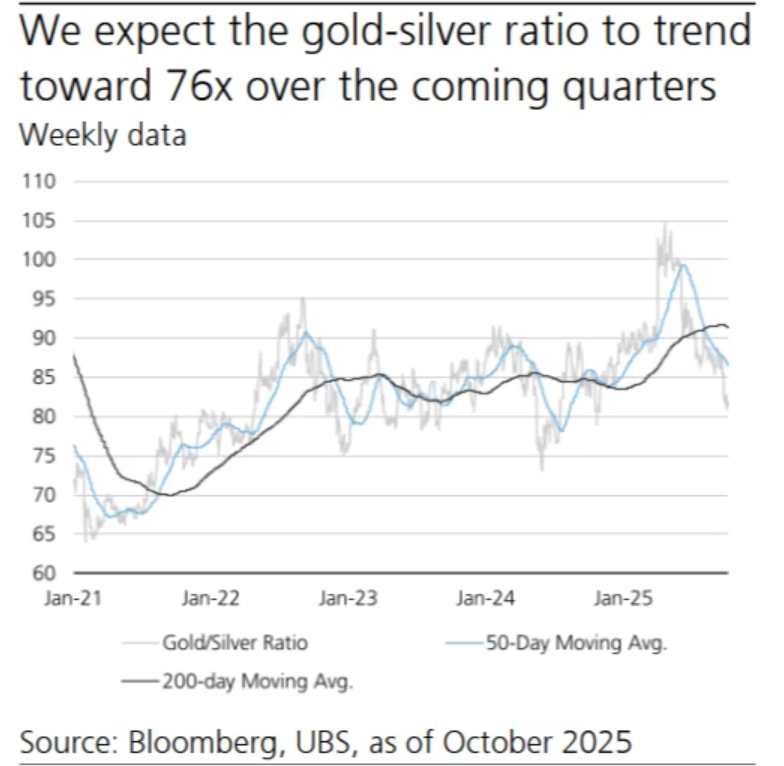
However, silver lacks central bank buying support, making its safe haven status less assured compared to gold.
Gold at all time highs. Is it right to invest now? The Risks and Considerations for Investors
Investing in gold carries both unique benefits and key risks:
- Reduced portfolio quality as a safe haven: Unlike prior decades, gold’s direct role as a central bank asset is now shared with other instruments, potentially diluting its impact.
- Market volatility and “relative revaluation”: All-time highs change reference points, creating uncertainty for investors accustomed to traditional price anchors.
- Macroeconomic risks: Large deficits and global debt, especially in the US, remain critical factors influencing gold’s trajectory. The outlook for USD in 2026, including potential threats to Fed independence, injects further complexity.
Case Study: Japan’s Fiscal Experiment
Japan was first to embrace post-bubble fiscal stimulus and aggressive quantitative easing in the aftermath of its 1980s asset bubble. This “currency debasement policy” led to both more inflation and stronger demand for gold. Japan now exemplifies the path Western economies may follow. That being fiscal expansion, monetary accommodation, and rolling deficits. These all drove gold higher in multiple currencies.
Investor Takeaways: With Gold at all time highs. Is it right to invest now and is it Right for Your Portfolio?
Gold’s at all time highs and recent rally invites both optimism and caution. Strategic portfolio allocation should weigh:
- The ongoing diversification needs in a world of growing geopolitical and monetary risks.
- Current central bank and ETF positioning, which underpin the gold price support.
- Alternatives such as silver and, increasingly, Bitcoin, as digital assets become part of the macro conversation.
Before investing, consider professional advice and review external resources:
Conclusion
Gold’s historic highs reflect more than market sentiment. They indicate deep, structural shifts in monetary policy, reserve management, and global investor behavior. While central bank actions and ETF inflows shape the current narrative, investors should assess gold’s risks, competing assets, and broader macro context before making portfolio changes
Book a discovery meeting Here to discuss Gold’s and other Alternative Investments role have in your portfolio.
Ben Waite updated 9/02/2026